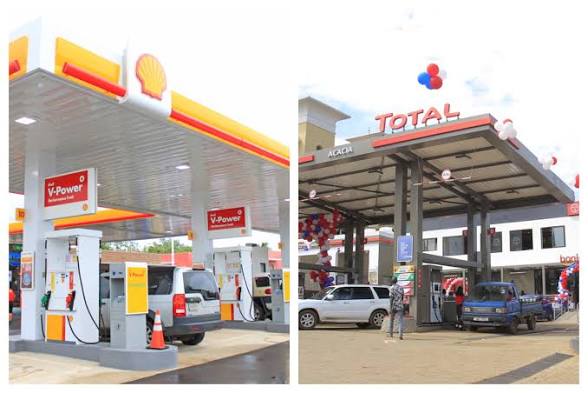
Uganda’s fuel supply remains stable and secure, according to the Ministry of Energy and Mineral Development and the Uganda National Oil Company. Authorities say the country has sufficient fuel stocks, supported by steady inflows that will further strengthen nationwide availability.
In a press statement issued on April 21, 2026, officials reassured the public that the situation is under control. They emphasized that routine monitoring of fuel reserves and supply chains continues to guide planning and response measures.
Stock Levels Remain Strong As of April 20, 2026, Uganda’s available fuel stocks were reported to be within safe operational limits. Petrol stood at 70.5 million litres, equivalent to 19 days of cover. Diesel stocks were at 43.2 million litres, providing 12 days of cover, while jet fuel stood at 32 million litres, covering 53 days.
Officials noted that these figures are not only adequate but are also backed by confirmed incoming shipments. Deliveries are expected between May and June 2026 through regional routes, including the port of Mombasa and Tanzanian corridors.
“These volumes demonstrate strong forward planning and our commitment to ensuring continuous supply,” the statement noted.
Additional shipments are expected to significantly boost reserves. Authorities project an extra 183 million litres of petrol, 258 million litres of diesel, and 23 million litres of jet fuel. This will extend coverage by several weeks across all categories.
Supply Chain and Pricing Concerns The government acknowledged occasional shortages at some retail stations. However, it attributed these disruptions to logistical challenges affecting specific oil marketing companies rather than a national supply crisis.
“There is no cause for alarm,” the ministry stated. “These are isolated operational issues within the supply chain.”
Reports of rising fuel prices in border towns such as Arua and Tororo were also addressed. Officials explained that the increases are largely driven by cross-border demand rather than domestic shortages.
The government added that it is actively engaging oil marketing companies where unjustified price hikes have been observed.
Public Urged to Stay Calm Authorities urged the public to avoid panic buying, emphasizing that fuel availability remains steady across the country. They also pointed to external factors such as global oil prices, exchange rate movements, and geopolitical developments as possible influences on pump prices.
“The government continues to closely monitor the situation to ensure prices remain manageable,” the statement said.
Uganda’s leadership reaffirmed its commitment to energy security, market stability, and transparent communication. Officials stressed that coordination between government agencies and private sector players remains key to maintaining a reliable fuel supply.
With incoming shipments and stable reserves, Uganda appears well-positioned to meet its fuel demands in the coming months.